
Here are some of the projects that I’ve been involved with.
Renewable Transition
Renewable Transition
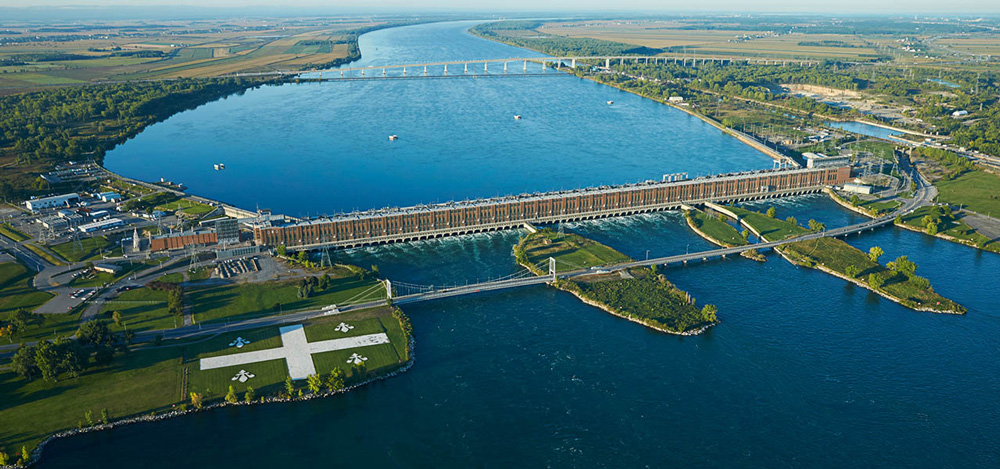
In 2024 I served on a team led by former NYC Council member Costa Constantinides that worked with Champlain Hudson Power Express, Rise Power and Light, Boralex and HydroQuébec on practical methods, strategies, and recommendations those stakeholders could implement to remediate long-standing community grievances from pollution at the Ravenswood power plant, as well as to explore methods of facilitating a just transition to green energy jobs.
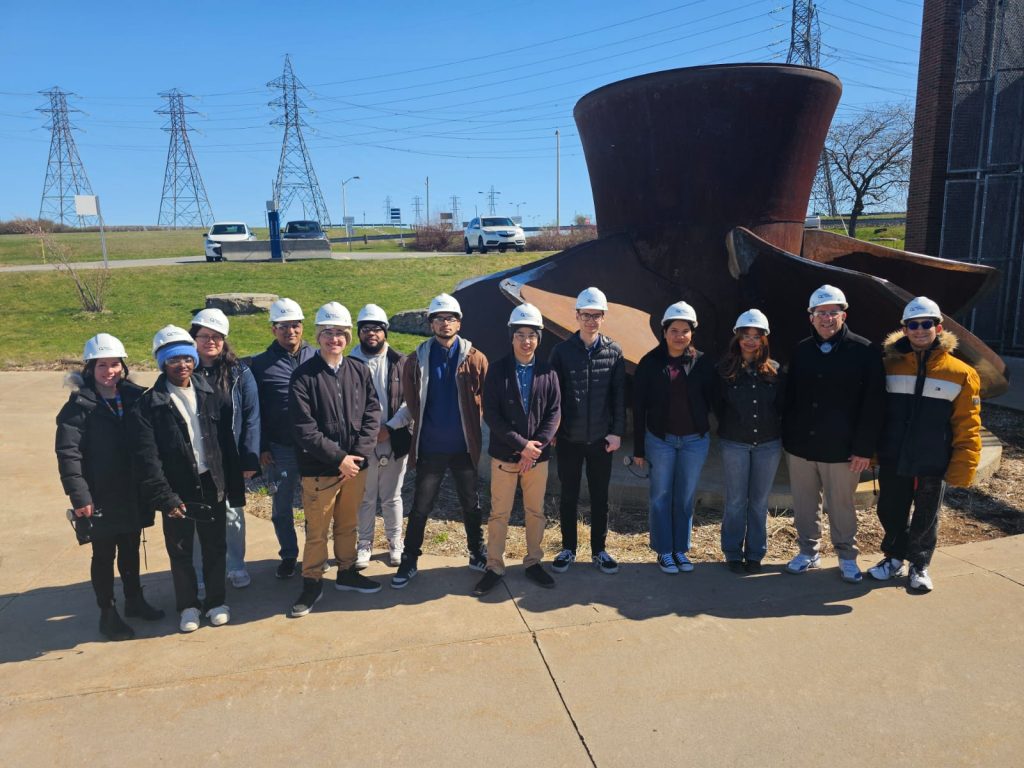
Our team traveled extensively across Queens and Quebec with our partner organizations, conducting site visitations at electrical infrastructure sites and touring partner facilities to assess their operational practices. We engaged directly with local communities who would be the recipients of new green jobs and assess our partners’ hiring and training efforts, particularly pathways for workers currently in fossil‑fuel roles and residents of communities affected by concentrated pollution.
Together we produced a report identifying the issues affecting workers moving into green energy and recommended practical measures partner organizations could implement to address them.
Read our 88 page report here.
Transportation in Hunter’s Point
Transportation in Hunter’s Point
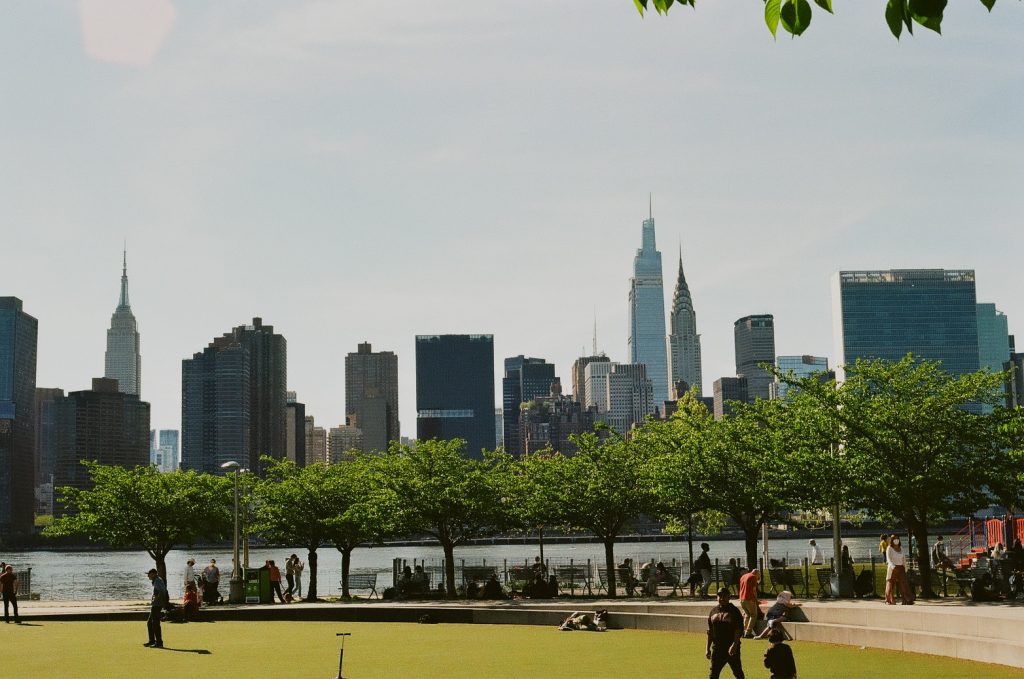
In 2023 I developed a research proposal to analyze transportation trends in Hunter’s Point, aiming to understand how residents experience and feel about their travel options amid rapid neighborhood change. I led a small team, where we designed a survey, and prepared an outreach plan so we could meet a wide range of local residents.
We carried out on‑the‑ground fieldwork in Hunter’s Point, collecting response directly from residents about demographics, daily trips, types of trips, barriers they face, and what improvements they most wanted to see. After collecting the responses, we analyzed qualitative and quantitative responses to reveal patterns in transit use. The project strengthened my skills in community engagement, survey design, and applied data analysis, and produced practical insights that can inform neighborhood transportation planning that stem directly from local residents.
View our presentation and findings here.

Transit Oriented Land Use
Transit Oriented Land Use
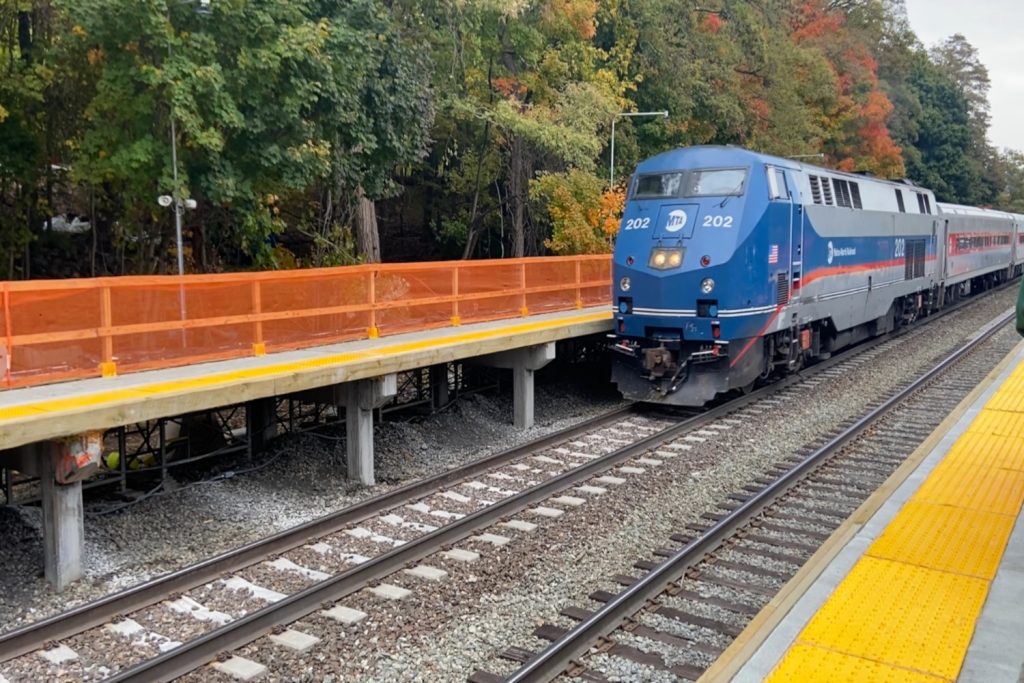
In 2023 I led an observational study that compared land use within a 500‑meter radius of several Long Island Rail Road and Metro‑North stations. I visited each station area in person and recorded visible land‑use types and compared patterns across stations of roughly equivalent distance from Grand Central. The approach emphasized direct, on‑the‑ground observation to capture how parcels, building types, parking, and open space were established in the immediate area around transit hubs.
This study aimed to reveal how neighboring counties and municipalities apply zoning and land‑use policies near commuter rail, and to identify differences in development priorities. My findings highlighted differences in density, mixed‑use development, and street‑level design that affect walkability and transit access. The results informed recommendations offered at a live presentation for transit‑oriented land-use planning and offered suggestions that municipal planners and community stakeholders could use when considering zoning changes near rail stations.
Explore some of the images of land-use I took for the study here.
QueensLink
QueensLink
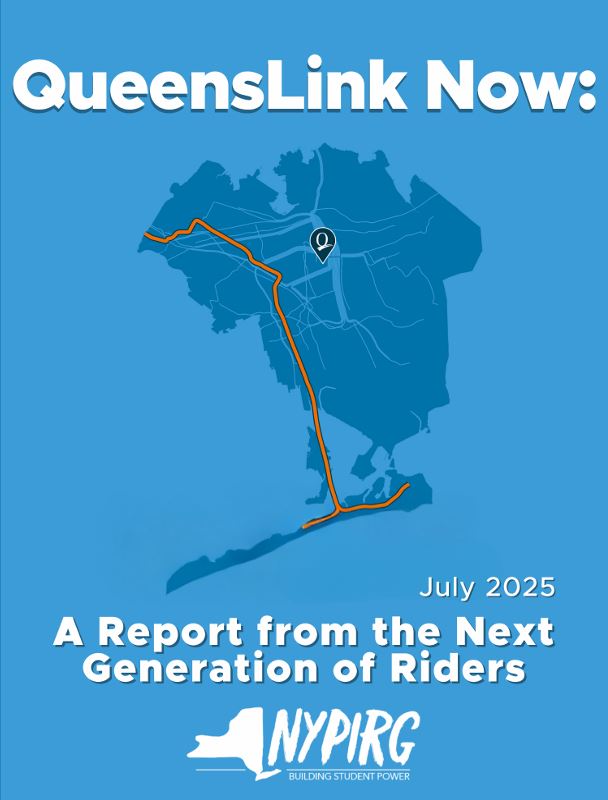
In 2025 the New York Public Interest Research Group held a series of meetings to explore community sentiment and feasibility of constructing a new subway line and parks along an abandoned section of railway between northern Queens and the Rockaways.
I was given the responsibility of creating a detailed map that displayed the number of signatories by ZIP code who supported this important project. Over the course of the campaign, nearly 1,500 signatures were collected from various communities. I cleaned and organized the data using industry-leading software tools, ensuring accuracy and consistency. The datasets were then compiled to produce a visually compelling map that was prominently featured in NYPIRG’s July 2025 report, helping to illustrate the widespread support for the project across the region.
Read the 36-page report here.